
What is Lithium?
Imagine picking up your smartphone, hopping into an electric car, or checking how much power your home solar panels have stored for the evening. Chances are it is lithium that is quietly making all of that possible.
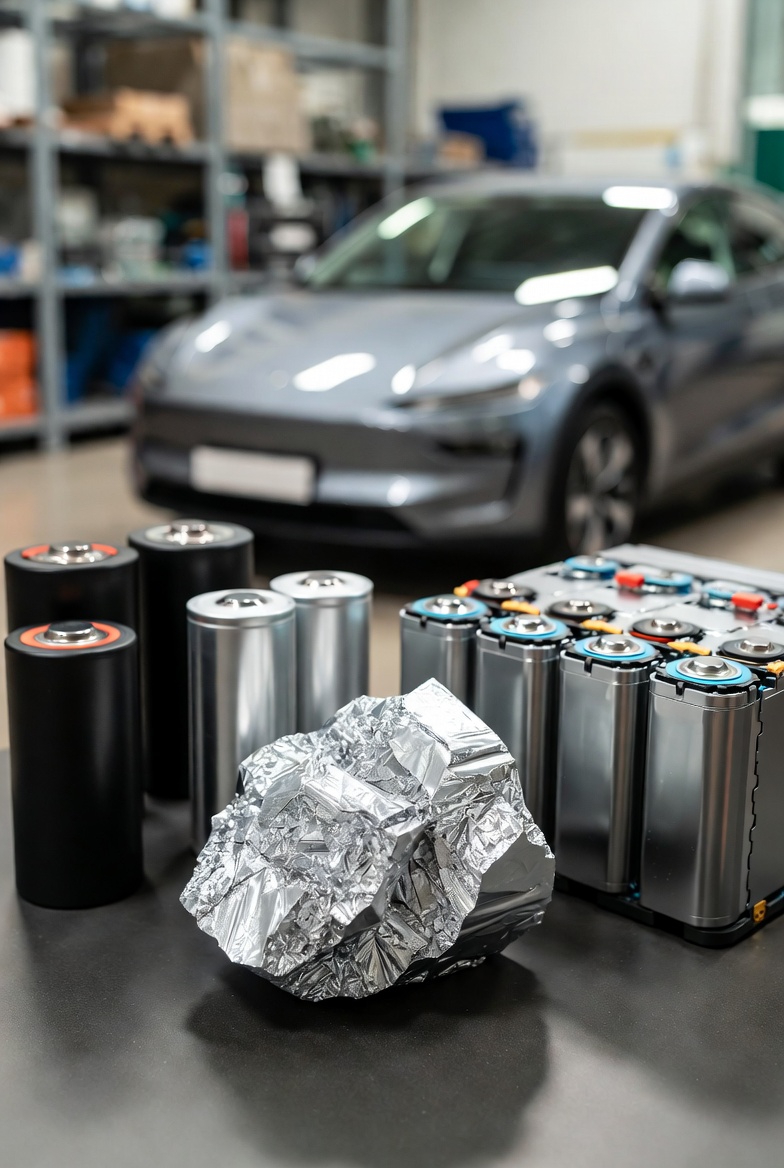
Lithium (chemical symbol: Li) is a soft, silvery-white alkali metal that is highly reactive and flammable, occupying the title of the lightest metal and the least dense solid element. As a critical mineral, lithium is essential for rechargeable batteries, particularly in electric vehicles (EVs) and various consumer electronics. Its unique properties enable efficient energy storage, making it indispensable for the clean energy revolution.
How and Where is Lithium Mined?
Lithium is primarily mined through two methods: brine extraction and hard rock mining.
- Brine Extraction: This method involves pumping lithium-rich brine from underground reservoirs into shallow evaporation pools. Over time, solar evaporation concentrates the brine, allowing it to crystallize into lithium salts.
- Hard Rock Mining: This involves extracting lithium-containing minerals, such as spodumene, from the earth, crushing them, and processing the material to obtain lithium compounds.
Top 3 Lithium Producers
- Australia: Currently the largest producer, primarily through hard rock mining (36.7% global share).
- Chile: Known for its extensive salt flats (salars), Chile extracts lithium from brine and is a major player in the market (20.4%).
- China: A significant producer that also serves as a crucial hub for refining lithium compounds into usable materials (17.1%).
How is Lithium Refined?
Once extracted, lithium undergoes various processes to achieve market-ready materials:
- For Brine Extraction: Concentrated brine is treated to separate impurities, often involving chemical processes to convert the lithium salts into lithium carbonate or lithium hydroxide.
- For Hard Rock Mining: The spodumene ore is concentrated through crushing and flotation, followed by roasting to convert it into lithium-rich material, which is then further processed to obtain lithium hydroxide or lithium carbonate.
Current Supply/Demand Balance in 2026 and the Next 10 Years
Projected demand for lithium is set to surge over the next decade due to the electrification of transport and the rise of renewable energy technologies. By 2026, demand is expected to exceed supply significantly due to surging demand from energy storage systems, leading to potential shortages.
Increased Demand Drivers
The accelerating growth of electric vehicles, energy storage solutions, and sustainable technologies is predicted to quadruple the demand for lithium from 198,000 tons in 2024 to 440,000 tons by 2030 and 846,000 tons by 2040.
Primary Uses for Lithium
Lithium is primarily used in:
- Batteries: The predominant application is in lithium-ion batteries for electric vehicles, energy storage systems and consumer electronics. By 2035 it is estimated that batteries will likely account for 94% of demand.
- Ceramics and Glass: It's utilized as a flux in manufacturing glass and ceramics.
- Greases and Lubricants: Lithium hydroxide plays a key role in high-quality lubricating greases.
Why is Lithium Considered a Strategic Metal?
Lithium's classification as a strategic metal arises from its vital role in the transition to renewable energy and electric vehicles. It is crucial for reducing carbon emissions and achieving net-zero goals globally. The geopolitical landscape surrounding lithium is also significant; nations with abundant lithium resources are under increased pressure to secure supply chains amid rising global demand.
Conclusion
In closing, lithium, often referred to as "white gold," stands as a cornerstone not only for current technology but also for future advancements in energy efficiency. An understanding of its extraction, refinement, and strategic significance is crucial as we propel forward into the energy revolution of tomorrow.
Remember, if it can't be grown, then it has to be mined.