
What is Terbium?
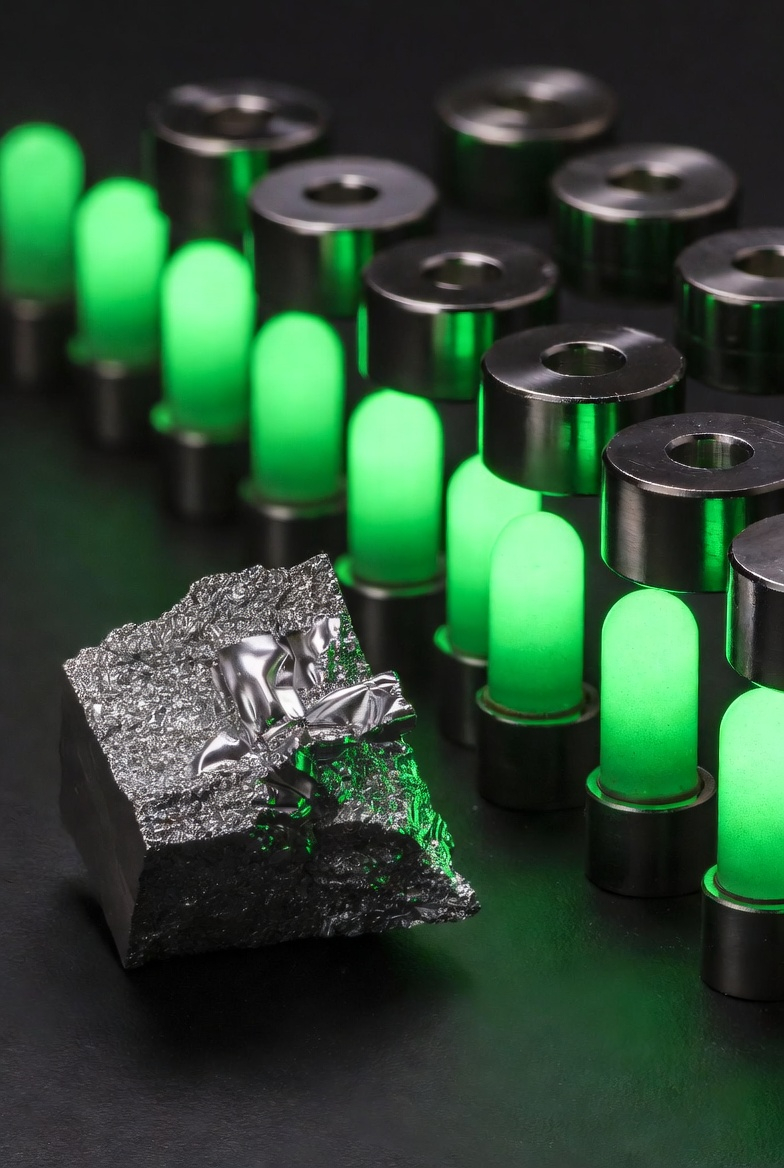
Hidden in the periodic table's depths lies terbium, a soft, silvery-gray rare earth element (chemical symbol: Tb), twice as abundant as silver yet extraordinarily scarce in practice. When energized, its ions blaze with a vivid, jewel-like green glow that powers the emerald brilliance of LED screens, fluorescent lamps and smartphone displays. Simultaneously, terbium supercharges permanent magnets, delivering relentless torque to electric vehicle motors in blistering heat and keeping giant wind turbines spinning smoothly through fierce storms.
In our race toward electrification and digital clarity, this elusive wonder quietly performs miracles. It lights our world with dazzling color and drives the machines of tomorrow's clean energy.
Why is Terbium Special?
What sets terbium apart is its unique atomic structure, which allows it to enhance the thermal stability and efficiency of magnets. Even a small amount of terbium can significantly boost the performance of neodymium-iron-boron (NdFeB) magnets, which are crucial for electric vehicles (EVs) and renewable energy technologies.
How and Where is Terbium Mined?
Terbium is primarily mined as a byproduct during the extraction of other rare-earth elements.
Top 3 Terbium Producing Countries and Companies
- China: The dominant player in the terbium market, China produces the majority of the world's terbium, sourcing it mainly from ion-adsorption clays in its southern regions (90+% global market share).
- Australia: Companies like Lynas Corporation are stepping into the market, planning to exploit heavy rare earths and enhance global supply.
- USA: The U.S. has some development projects aimed at increasing domestic supply, though currently, its output is limited.
How is Terbium Refined?
Like all rare earths, refining terbium involves several complex processes:
- Separation: Terbium is separated from ores through ion-exchange or solvent extraction methods. High purity terbium is one of the most process intensive rare earths to separate.
- Reduction: The refined material, typically in the form of terbium oxide or fluoride, is then reduced using calcium or other reducing agents to yield pure terbium metal for use in permanent magnets.
Current Supply/Demand Balance in 2026 and the Next 10 Years
By 2026, the demand for terbium is expected to escalate significantly, primarily due to its integration into high-performance magnets:
- Projected Growth: Demand is anticipated to rise at a 5-7% annual growth rate, reaching about 1,200 tonnes annually.
- Supply Challenges: Currently, the market struggles with limited supply and geopolitical tensions affecting production, particularly in China and Myanmar.
Primary Uses for Terbium
- Magnets: The primary application of terbium is in high-performance NdFeB magnets used in electric motors and generators, particularly in EVs and wind turbines.
- Lighting and Displays: Terbium compounds are utilized in phosphors for fluorescent lights and LCD displays, contributing to vibrant colors.
- Defense Applications: Terbium is finding use in specialized military technology due to its magnetic properties under extreme conditions.
Why is Terbium Considered a Strategic Metal?
Terbium's strategic importance comes from its critical role in advanced technologies that support clean energy initiatives. The U.S. and other major economies now classify terbium as a critical mineral, underlining its importance and the risks associated with supply disruptions.
Impact of Supply Constraints
If new sources of terbium are not identified:
- Increased Costs: The price per kilogram could skyrocket, threatening the economic viability of industries reliant on this metal. Current prices for terbium oxide float around $1,800 to $2,000 per kilogram, but prices have spiked to over $4,000 per kilogram in 2026 as China restricts exports.
- Technological Stagnation: Supply shortages may derail the advancement of clean technologies that use terbium in their applications, from renewable energy systems to electronics.
Possible Substitutes for Terbium
While terbium does have limited substitutes:
- Reducing Usage: Engineers are exploring ways to reduce the amount of terbium needed in magnet applications while still achieving desired performance.
- Material Innovations: Research into alternative materials and methods for creating effective magnets may provide some relief, but none are likely to match terbium's unique capabilities entirely.
Trends in Recycling Terbium
Recycling efforts for terbium are gaining traction, though they face challenges due to the complex separation processes involved and the trace amounts of terbium used in most applications. As technology advances, recycling is becoming a viable source for reintroducing rare metals into the supply chain. Expect increased investments in commercial-scale recycling facilities to potentially alleviate some of the supply pressures in the future.
"If it can't be grown then it has to be mined."