
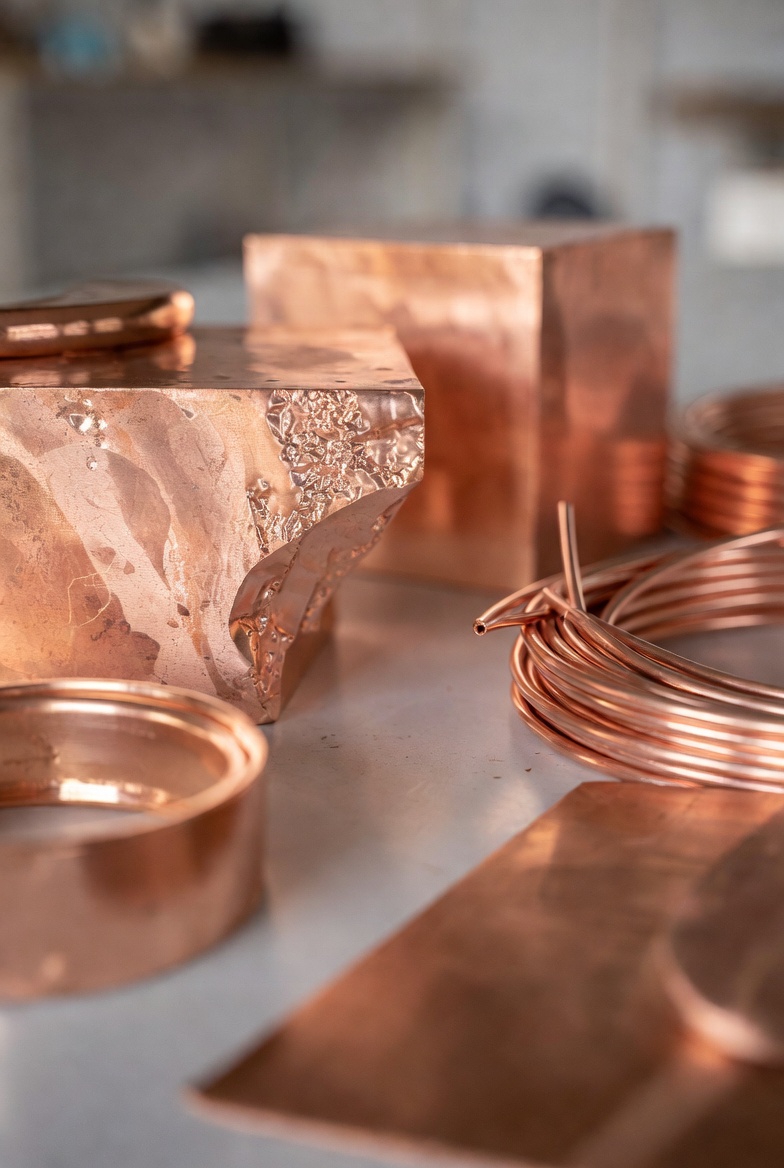
What is Copper?
Copper (chemical symbol: Cu) is a reddish-brown metal known for its excellent electrical conductivity, malleability, and thermal conductivity. It’s used in a wide range of applications due to these properties, making it an essential metal in electrical wiring, plumbing, and industrial machinery.
How and Where is Copper Mined?
Copper is mined primarily through two methods: open-pit mining and underground mining.
1. Open-Pit Mining
This is the most common method and involves removing a large amount of earth to access copper ore near the surface.
2. Underground Mining
For deeper deposits, shafts are drilled and tunnels are created to extract the ore.
Top 3 Copper Producers
- Chile: The world's largest copper producer, Chile is home to vast deposits in copper mines like Escondida (23.0% global share).
- Peru: Following closely, Peru also boasts substantial copper production, particularly from mines like Antamina and Cerro Verde (11.3%).
- China: Not only a substantial producer but also a major consumer of copper, China has numerous mines and processes its copper extensively 7.8%).
How is Copper Refined?
After extraction, copper ore undergoes a refining process to separate the metal from other minerals.
- Crushing and Grinding: The ore is crushed and then ground into a fine powder to facilitate further processing.
- Concentration: Through flotation, the copper concentrate is separated from waste material.
- Smelting: The concentrate is melted to separate the copper from other elements, yielding blister copper, which is then further refined.
- Electrolytic Refining: This final step involves placing the blister copper in an electrolytic cell to produce high-purity copper.
Current Supply/Demand Balance in 2026 and the Next 10 Years
The outlook for copper shows a strong demand trajectory. By 2026, global demand for copper is projected to increase, driven by infrastructure upgrades and the electric vehicle sector.
- Shortage Projections: As of 2025, analysts expect demand to grow at a rate that will outstrip supply, leading to a deficit. Forecasts suggest a supply shortage of about 330,000 metric tons in 2026.
- Long-term Trends: By 2035, demand could reach approximately 37 million metric tons, up from around 27 million metric tons today.
Primary Uses for Copper
Copper's versatility is reflected in its numerous uses:
- Electrical Wiring: Almost every electronic device relies on copper for electrical connectivity.
- Plumbing: Copper pipes are standard in plumbing due to their durability and resistance to corrosion.
- Construction: Copper is extensively used in building construction for electrical and plumbing systems.
Why is Copper Considered a Strategic Metal?
Copper is labeled as a strategic metal because of its vital role in the transition to sustainable energy and electric vehicles. Its importance in modern infrastructure and its pivotal role in technological advancement place copper in a unique position as a mineral critical for economic growth and energy efficiency.
As the world pushes toward greener technologies and renewable energy, the reliance on copper will only increase, making it essential for both economic stability and national security. The red metal is set to power not just tomorrow, but the many tomorrows in our sustainable future.
If it can't be grown then it must be mined.