
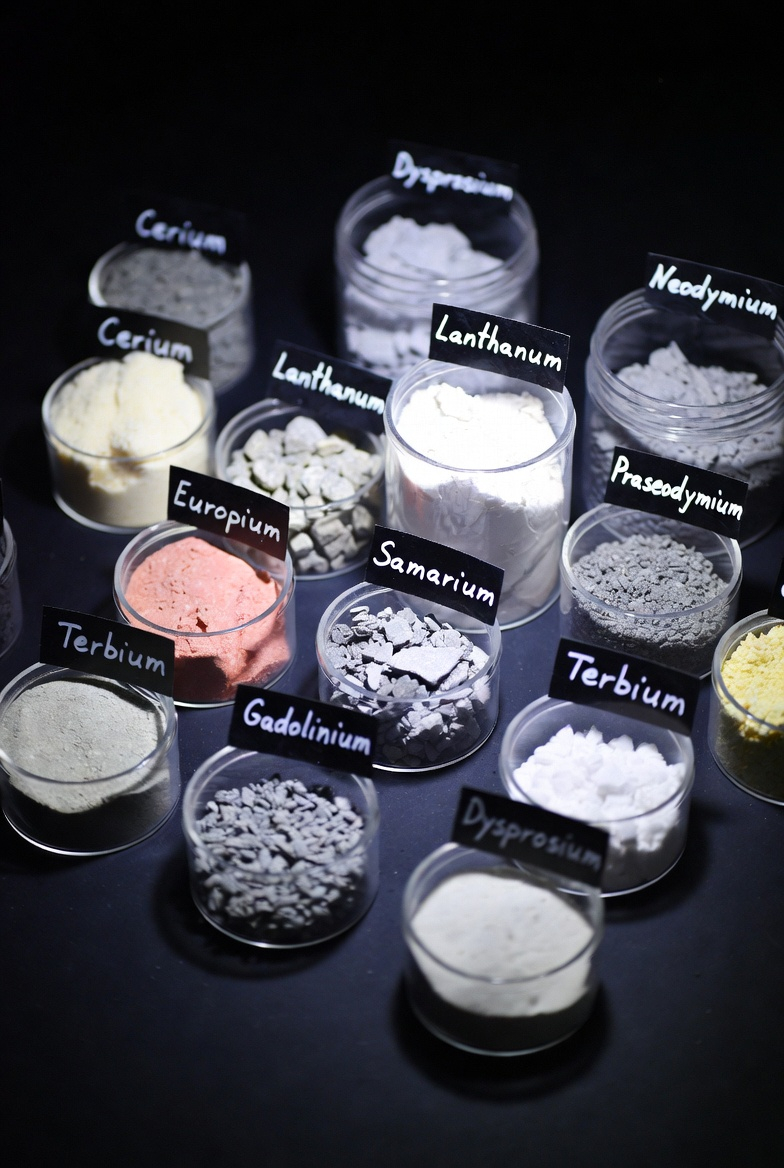
Understanding the Need for Rare Earth Independence
The U.S. finds itself at a crossroads in its pursuit of rare earth independence, a critical endeavor as demand for these minerals surges. Rare earth metals are essential drivers of modern technologies and clean energy solutions, so enhancing domestic production and processing capabilities is paramount.
What Steps Must the U.S. Take?
- Expand Domestic Mining Capacity: The U.S. should invest heavily in existing mining operations like MP Materials' Mountain Pass and the development of new projects. A $1 billion initiative by the Department of Energy (DOE) aims to advance mining, processing, and recycling technologies.
- Develop Advanced Processing Facilities: Establishing commercial-scale processing plants within the U.S. to separate and refine rare earth elements can dramatically enhance domestic capabilities. The U.S. has acknowledged the necessity of building facilities capable of processing the rare earths mined both domestically and abroad. Multiple domestic technologies used by MP Materials, ReElement Technologies, UCore Rare Metals and others are being commercialized and developed.
- Leverage International Partnerships: The U.S.-Australia Critical Minerals Framework represents a partnership worth $1 billion aimed at bolstering joint minerals production. Collaborations with countries like Saudi Arabia, Cambodia, and Malaysia can also ensure a steady flow of minerals while allowing U.S. investors the first opportunity for asset acquisition in those regions.
- Focus on Recycling Initiatives: Recycling is increasingly recognized as a critical method for securing additional rare earth supplies. Projects like DOE's $134M investment in waste recovery projects like the Big Hill Tailings Project can enhance resource extraction from waste, alleviating some supply pressures.
Technological Know-How: A Strength or a Weakness?
The U.S. possesses the technical capacity for rare earth separation, but it often lacks the political will and funding to bring these projects to fruition. Commitment from governmental bodies is crucial to convert technological prowess into operational capabilities. For too long U.S. companies procured rare earth metals from China because they had the lowest prices and largest availability. Current threats to the China supply chain has companies revisiting their purchasing strategies in search of more stable sources of supply.
Role of Foreign Companies
While an "America First" approach aims to enhance domestic production, foreign companies like Lynas of Australia may still play a significant role in the U.S. supply chain. It is crucial for these collaborations to develop realistic frameworks that facilitate investment and technology transfer rather than create barriers. Today Lynas is the only non-Chinese commercial supplier of critical heavy rare earths like dysprosium, terbium, and soon, samarium.
Impact of Not Identifying Additional Sources
Failure to identify new sources of rare earths could have dire implications:
- Increased Costs: Rising prices and potential shortages of these crucial minerals could choke off advancements in sectors that rely on clean energy solutions, potentially hindering progress toward a sustainable future.
- Strategic Vulnerability: As global demand continues to surge, dependence on foreign sources could compromise national security, particularly in technology and defense industries.
Possible Substitutes for Rare Earths
While few materials can substitute for rare earths effectively, researchers are exploring a range of alternatives:
- Copper and Aluminum: Alternative conductive metals can be used in specific applications, though they generally don't measure up to rare earths in terms of performance.
- Next-Generation Materials: New compositions and technologies may surface, reducing reliance on rare earths, but these solutions are still in the experimental phase.
Trends in Recycling Rare Earth Elements
Recycling efforts are gradually ramping up, but they remain a challenging area due to the complex separation processes involved. Investments are being directed toward increasing capacity in commercial-scale recycling facilities, which could serve as a lifeline for securing rare earth supplies.
Conclusion
The road to rare earth independence for the U.S. is complex but navigable with the right steps. By expanding domestic capacity, enhancing international partnerships, and investing in recycling initiatives, the U.S. can begin to fortify its position in the global market for critical minerals. The clock is ticking, and strategic action is essential not just for economic stability, but for national security and technological advancement.
Remember, if it isn't grown then it has to be mined.