
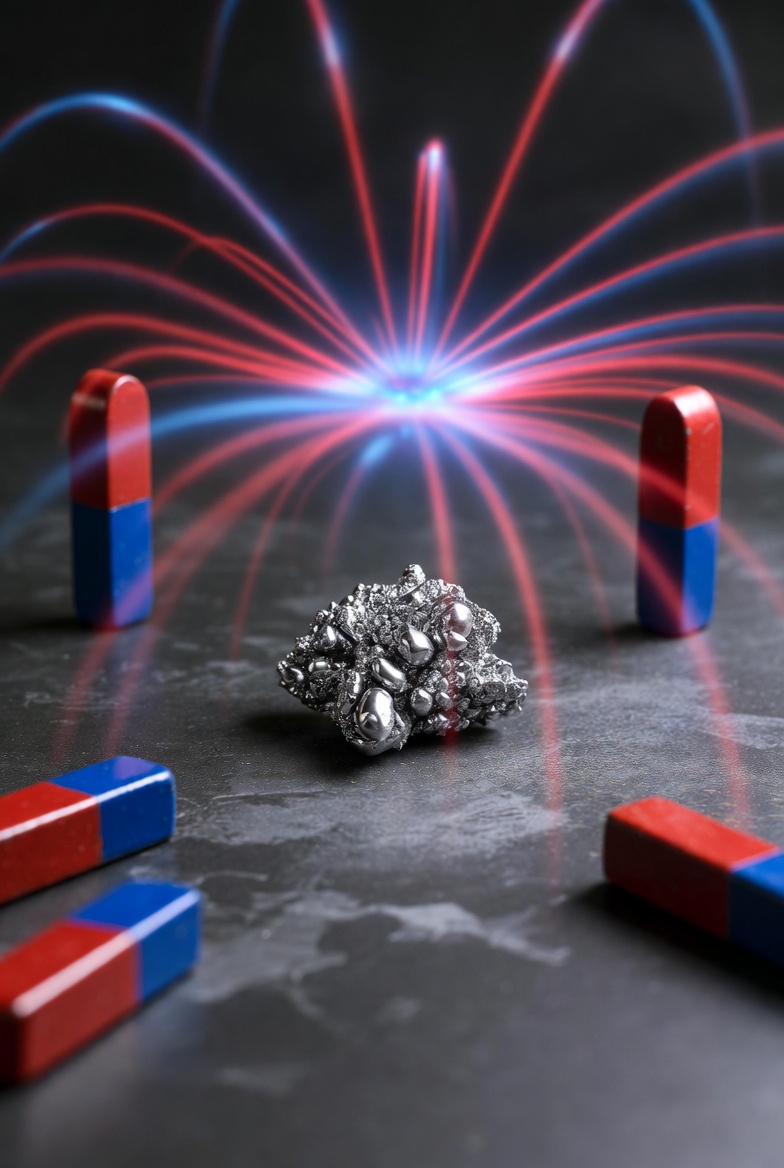
What is Dysprosium?
Dysprosium (chemical symbol: DY) is a silvery rare-earth element crucial for producing high-performance magnets, especially in applications such as electric vehicles (EVs) and wind turbines. With an atomic number of 66, it is recognized for its exceptional thermal-neutron absorption capacity, making it valuable in nuclear technology as well.
How and Where is Dysprosium Mined?
Dysprosium is primarily obtained through two methods: mining from rare-earth ore deposits and extraction from ion-adsorption clays:
- Mining: Most dysprosium is sourced from heavy rare-earth elements, found alongside other rare earths in minerals such as monazite or bastnäsite.
- Ion-Adsorption Clays: This method is particularly prevalent in southern China, where dysprosium is extracted via solutions that selectively leach the element from clay deposits.
Top 3 Dysprosium Producers
- China: Dominating the global market, China accounts for over 95% of the world's refined dysprosium.
- Australia: The Browns Range Project produces significant quantities of dysprosium, contributing to diversification in global supply. Recently Lynas Rare Earths began commercial separation of dysprosium mined at Mt. Weld, becoming the first non-Chinese supplier to begin deliveries.
- United States: Although currently minimal, the U.S. has burgeoning projects aimed at producing dysprosium, focusing on reducing dependency on foreign sources.
How is Dysprosium Refined?
Refining begins with crushing and grinding the ore, followed by chemical separation techniques that concentrate dysprosium within the material. Like many rare earth elements with similar chemical properties, separation is excessively complex. This process typically involves:
- Leaching: The ore undergoes treatment with acids or bases, dissolving rare-earth elements into a solution.
- Separation and Purification: Various methods like solvent extraction are employed to isolate dysprosium from other elements, ultimately yielding a high-purity product. It is estimated that "hundreds" of separation cycles are required for high purity separation (99.5%+).
Current Supply/Demand Balance in 2026 and Future Projections
The demand for dysprosium is expected to surge, particularly as clean energy technologies gain traction. By 2026, the U.S. Department of Energy predicts shortages due to limited production outlets:
- Projected Demand: Dysprosium demand is projected to increase by 20% annually, driven by its use in larger neodymium-iron-boron (NdFeB) magnets for greener technologies.
- Supply Challenges: Given that over 95% of production lies within China, potential geopolitical tensions could further exacerbate supply scarcity.
Primary Uses for Dysprosium
- Permanet Magnets: The most critical application is in high-performance magnets used in electric vehicles and wind turbines. Dysprosium enhances the heat resistance of these magnets, crucial for their efficient operation in high-temperature environments.
- Nuclear Technology: Due to its neutron-absorbing properties, it is utilized in control rods for nuclear reactors.
- Specialty Alloys: Dysprosium is also used in various industrial alloys and specialized applications such as lasers and lighting.
Why is Dysprosium Considered a Strategic Metal?
Dysprosium's strategic importance stems from its pivotal role in advancing technology, specifically in sectors focused on reducing carbon footprints. The U.S. Department of Energy has labeled it as "the single most critical element for emerging clean energy technologies," underscoring both its indispensability and vulnerability to supply shocks.
Consequences of Limited Supply
If additional sources of dysprosium don't emerge, industries reliant on it, especially clean energy sectors, will face increasing costs and potential disruptions. This could hinder progress in electric vehicles and renewable energy.
Possible Substitutes
While no direct substitutes can fully replace dysprosium’s unique properties, some strategies may involve:
- Reducing the Dysprosium Content: Research into alternative alloys or improved magnet designs could lessen dependence on dysprosium.
- Using Other Rare Earth Elements: Certain compositions may utilize less critical rare earths, but challenges remain in achieving similar performance.
If it can't be grown then it has to be mined.